Women Who Swim Amongst Selkies:
an ongoing multidisciplinary project exploring selkie folklore through soft sculpture, ceramics, photography, and wearables (forthcoming)
Using the Celtic legend of the selkie as a psychological roadmap to visually explore/expose femininity, identity, and a longing for liberation, this project draws our attention to the wild and liminal spaces between captivity and spiritual reunion.
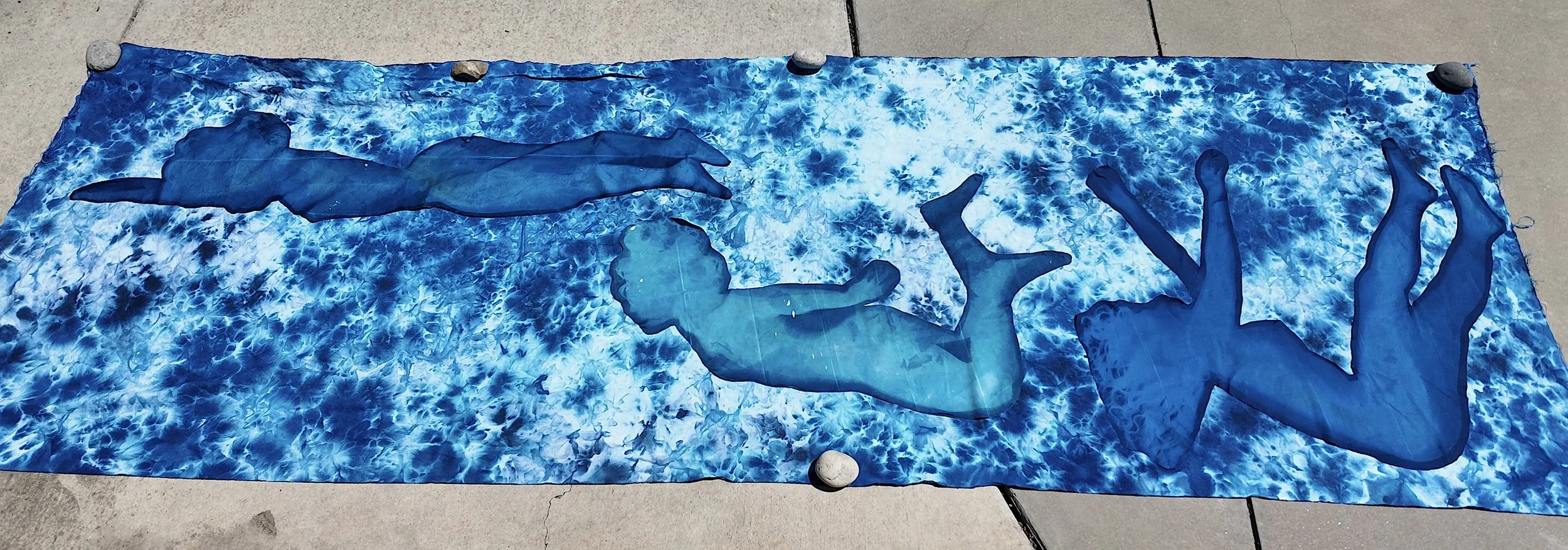
Not Resisting, Recalling a Tidal Rhythm 2026
fiber reactive dye, cyanotype, mixed-media applications, hand stitching
58 x 180 in (4.8 x 15 ft)
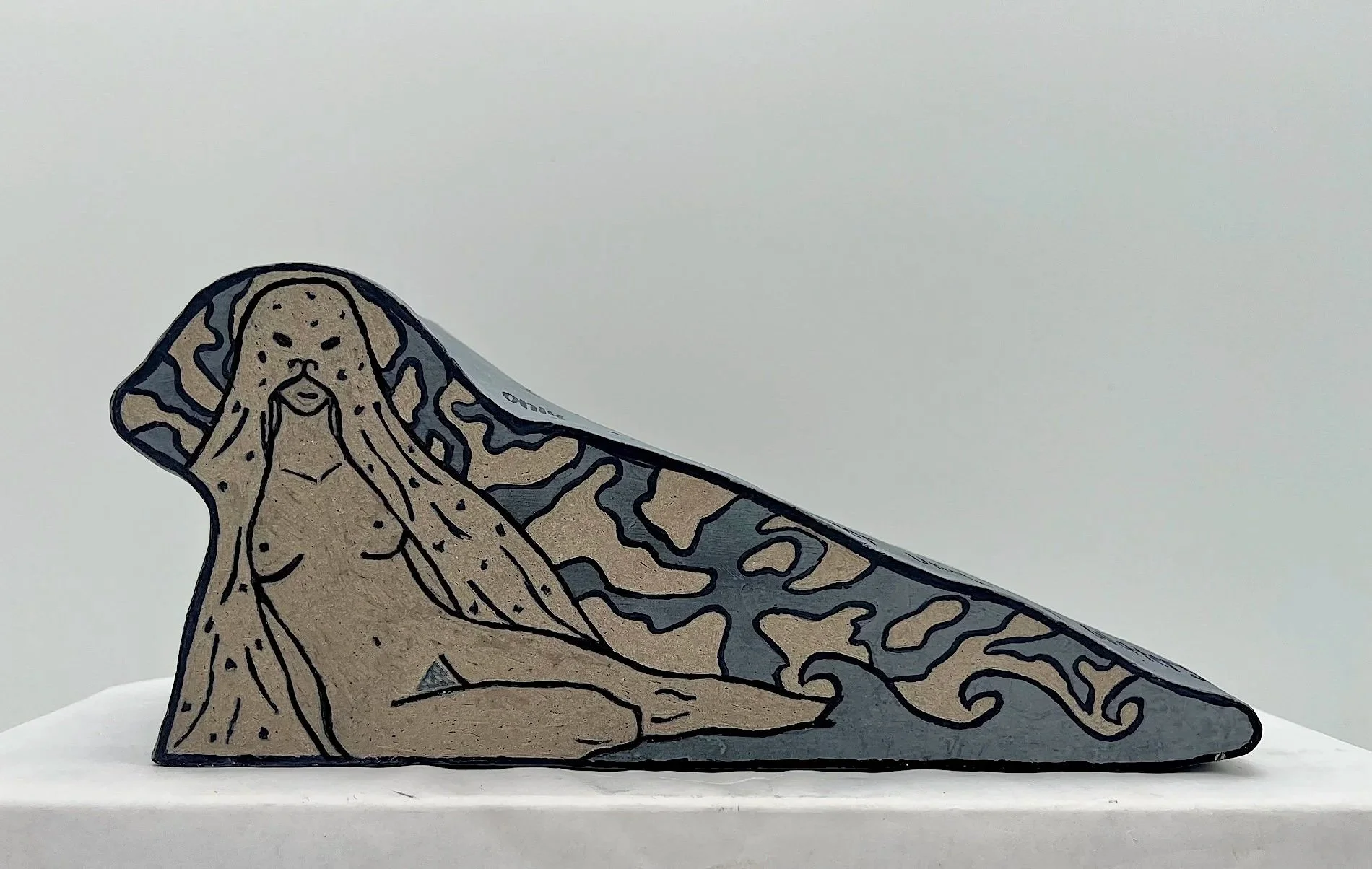
Selkie, 2026
ceramic
Photo Essay
Within my interdisciplinary art practice, my creative impulse often leans toward finding connection between the past, present, and future through likening my own experiences to those outlined in mythology, creation/origin stories, folklore, and ancient legends.
Recently, I have been drawn to the Celtic legend of the selkie. Selkies are mythological beings within Celtic folklore that shapeshift between seal and human; they embody their seal form once they enter the sea and their human form (most often depicted as women) once they swim to shore. To move between these two worlds and identities, the selkies either remove their seal skin/cloak to reveal a woman, or slip into their seal skin to reenter the sea as a marine mammal.
However, in classic selkie legends, a man becomes entranced by a selkie woman as she basks in sunlight/dances in moonlight upon the shore in her human form; he then steals and hides her seal skin while she is preoccupied. Without her skin, the selkie is unable to return to the sea and the man who stole it uses this loss of agency as leverage to coerce the selkie into a life of marriage and childbearing on land. These selkie women then live a captive life fraught with longing. The selkies long for their true form, the sea, freedom, identity, authenticity, connection to nature, and autonomy. When captive, they are forced to live a life subscribing to patriarchal societal norms that sap their spirit and erode their psyche.
Yet, as the story goes, later in life the selkie woman and/or her children uncover the hidden seal skin. This discovery leads the selkie woman to return to the sea without hesitation—abandoning the nuclear family but often attempting to bring her children with her. This return to the sea for the selkie woman is marked by a sense of liberation, invigoration, peace, embodiment, and spiritual reunion.
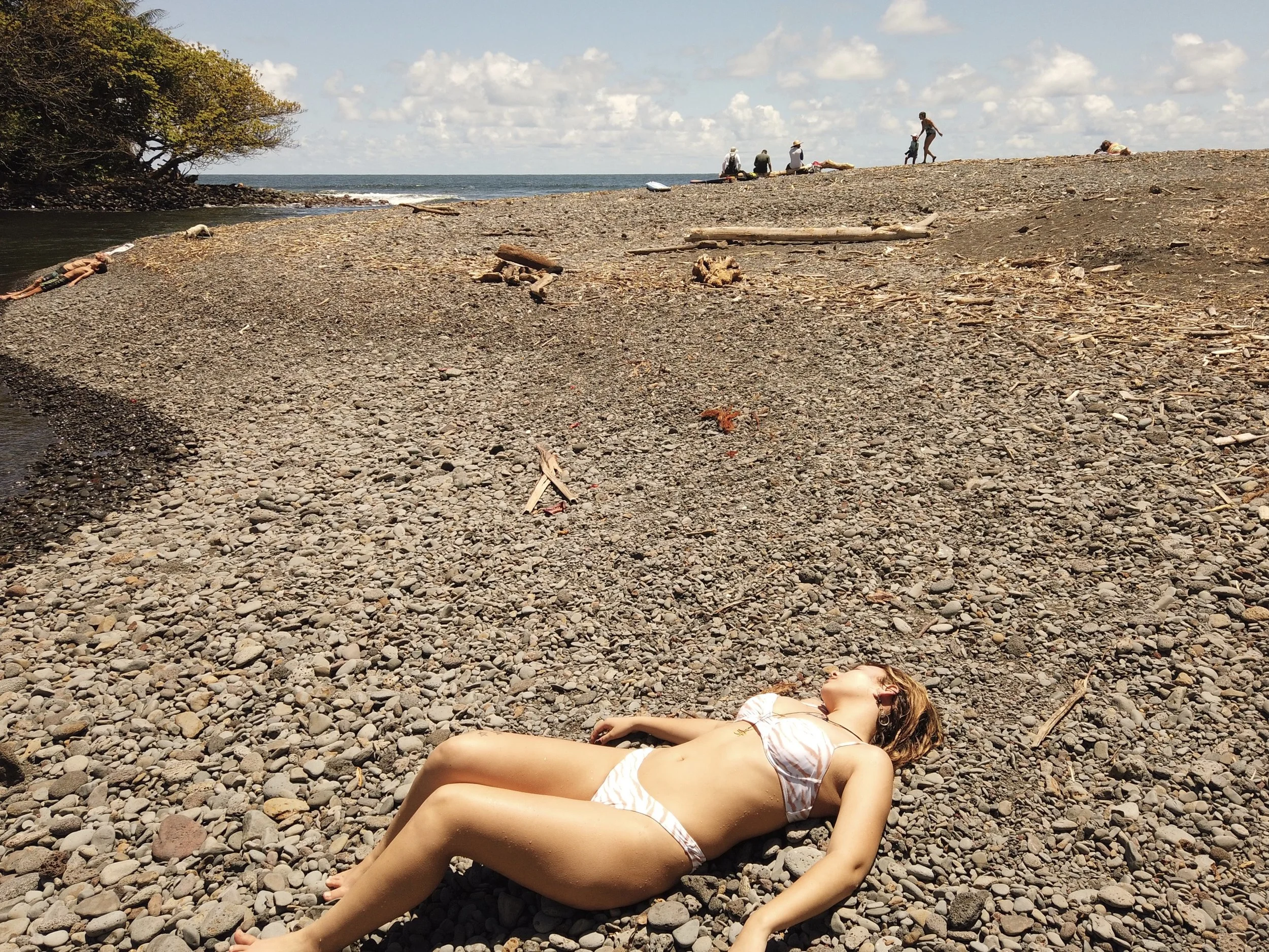
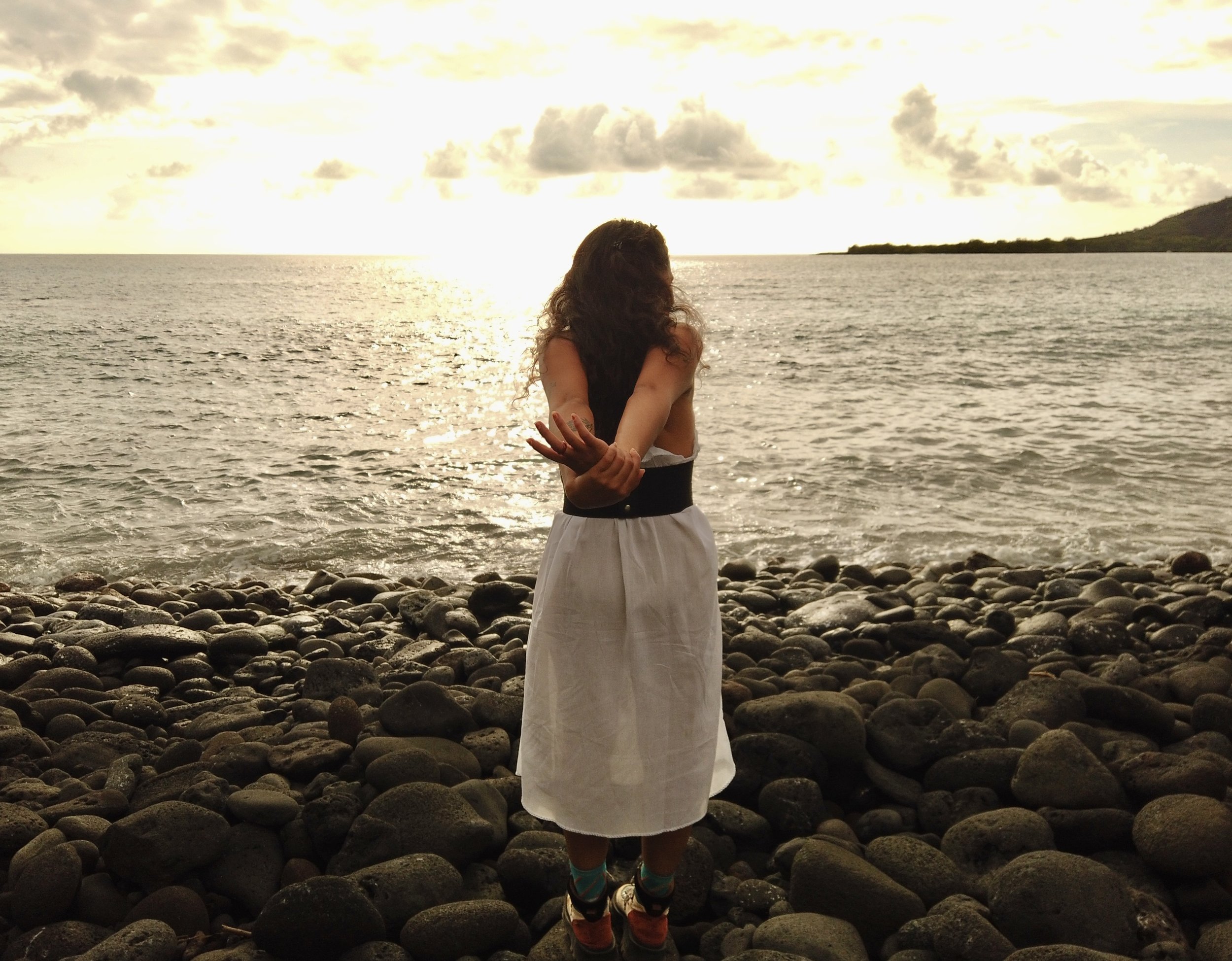
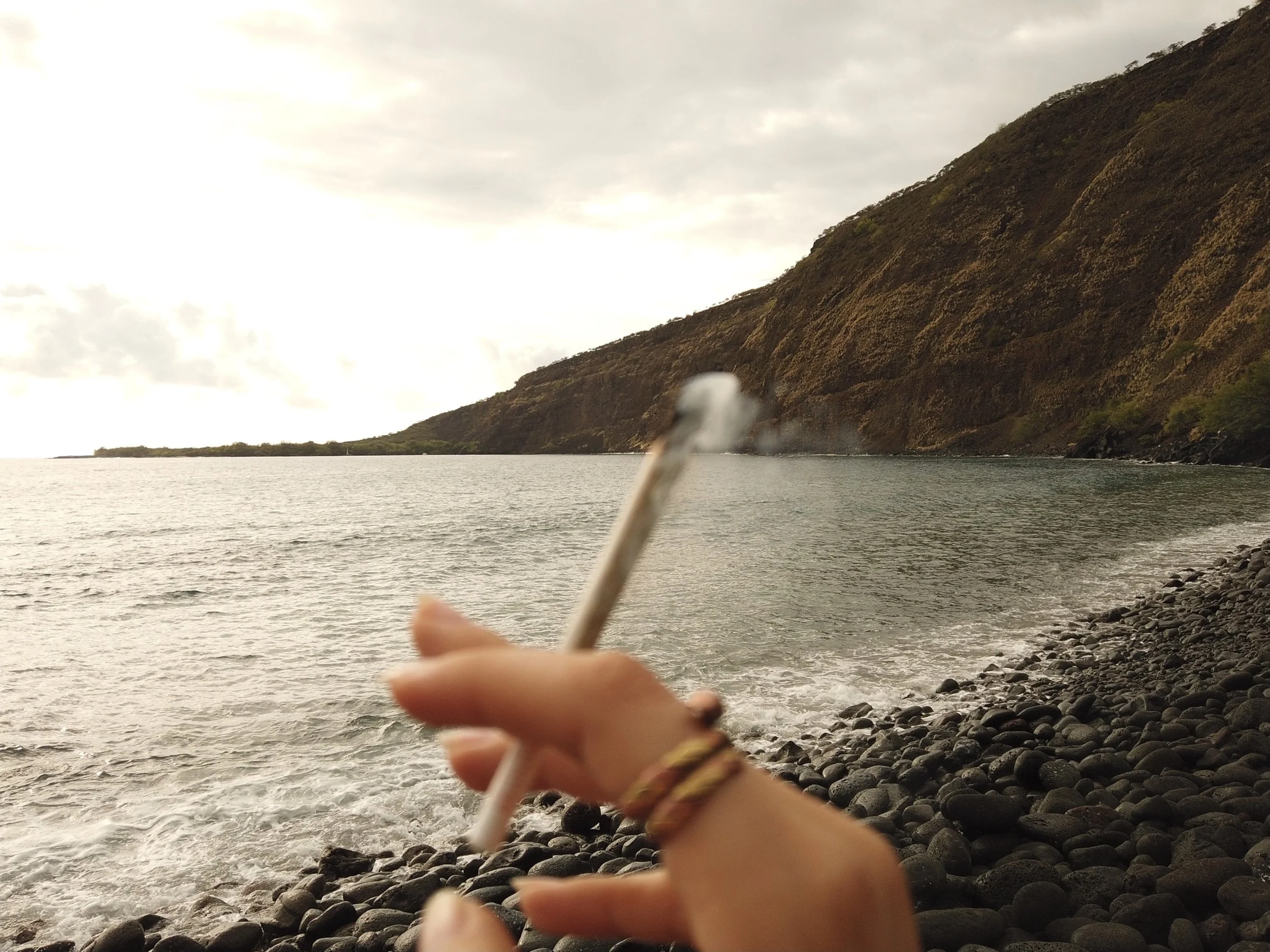
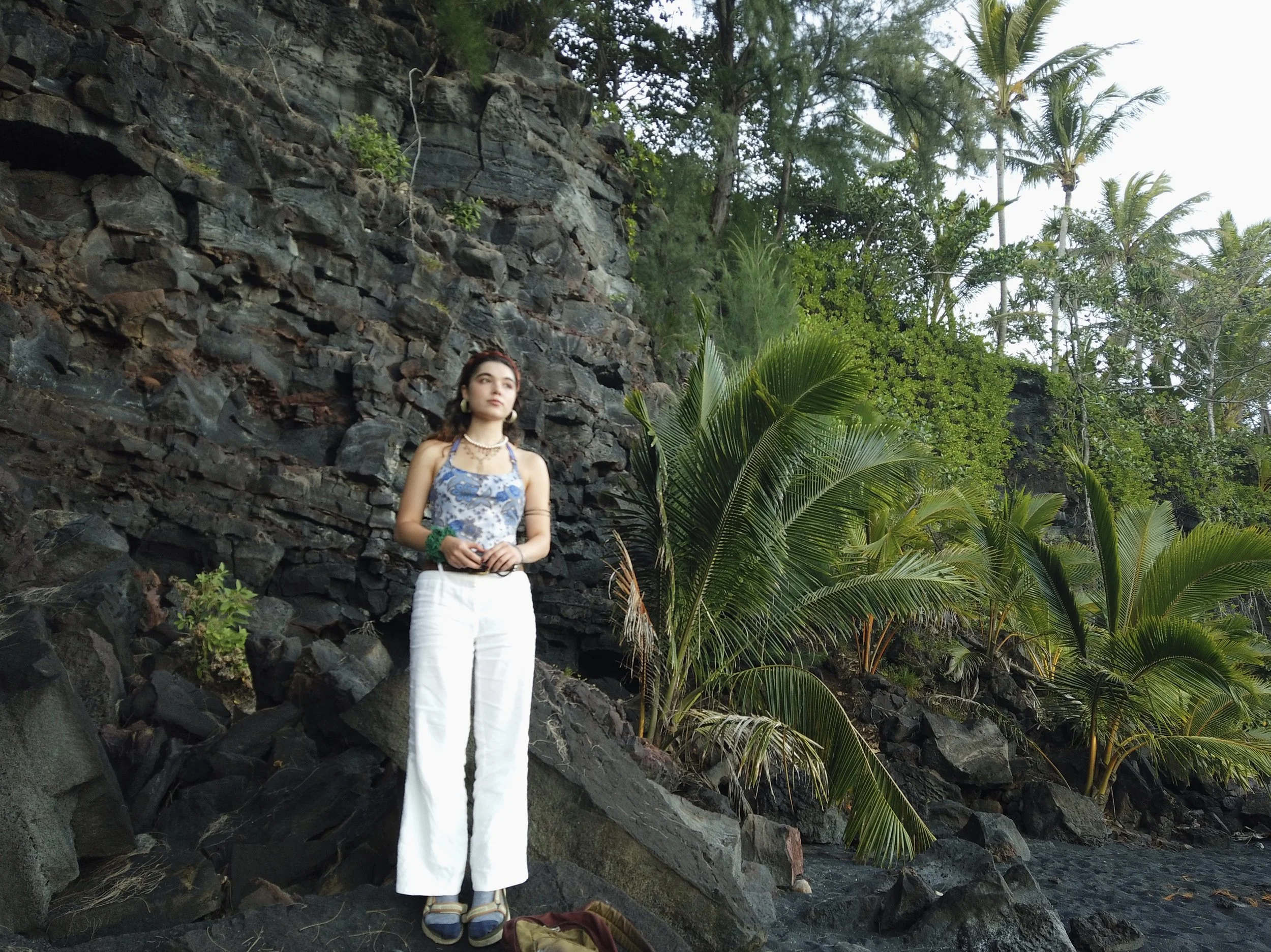
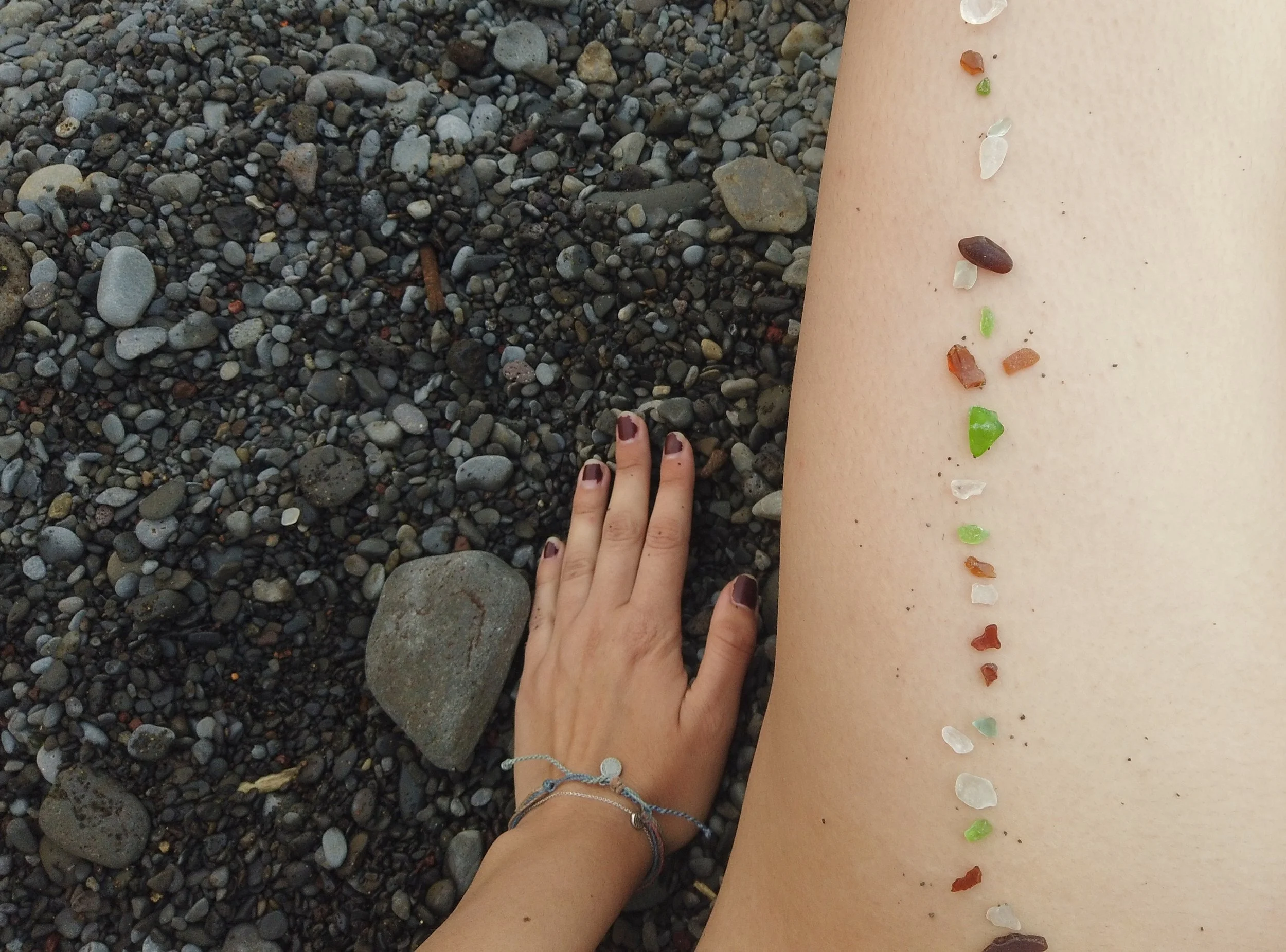
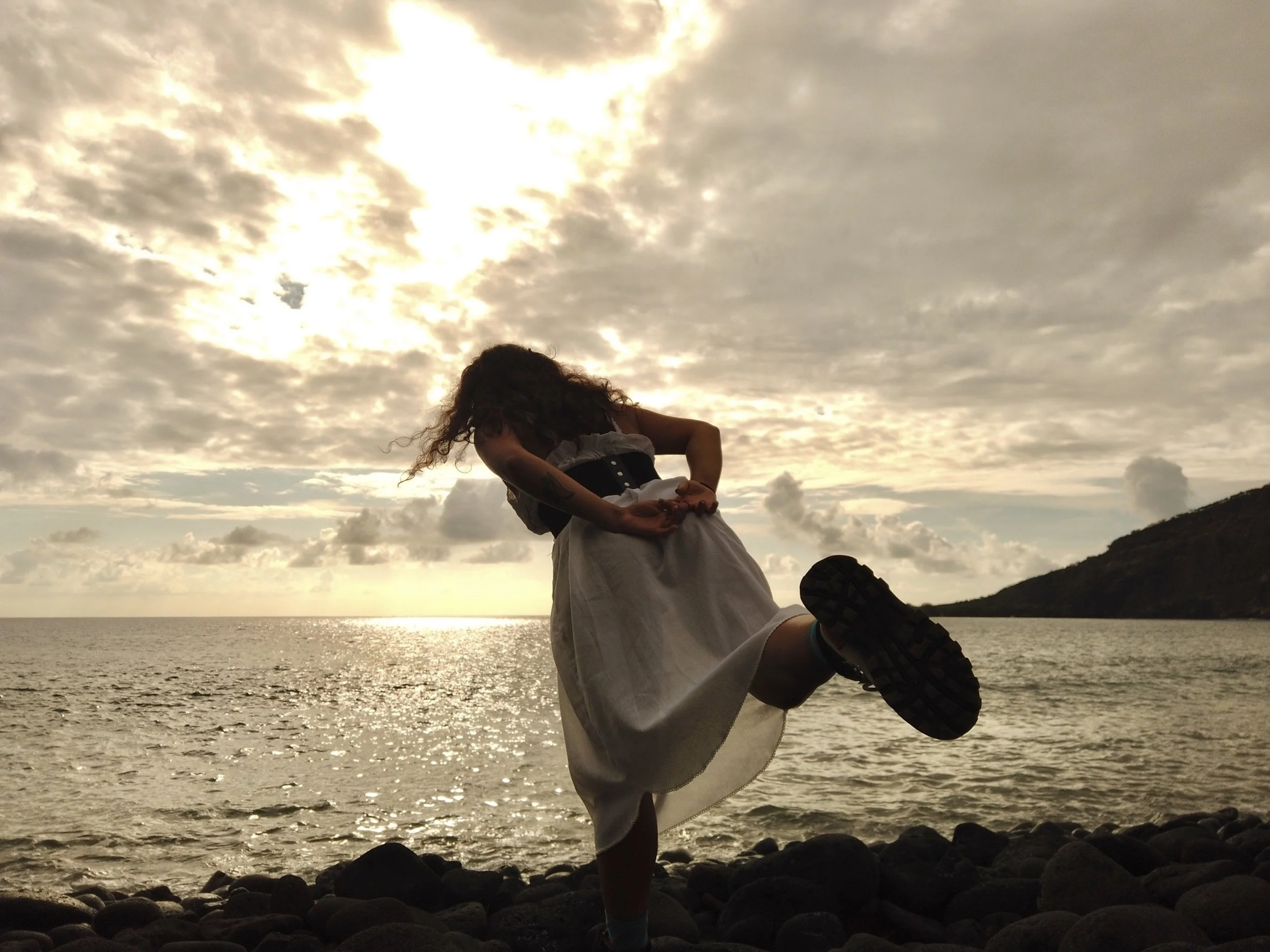
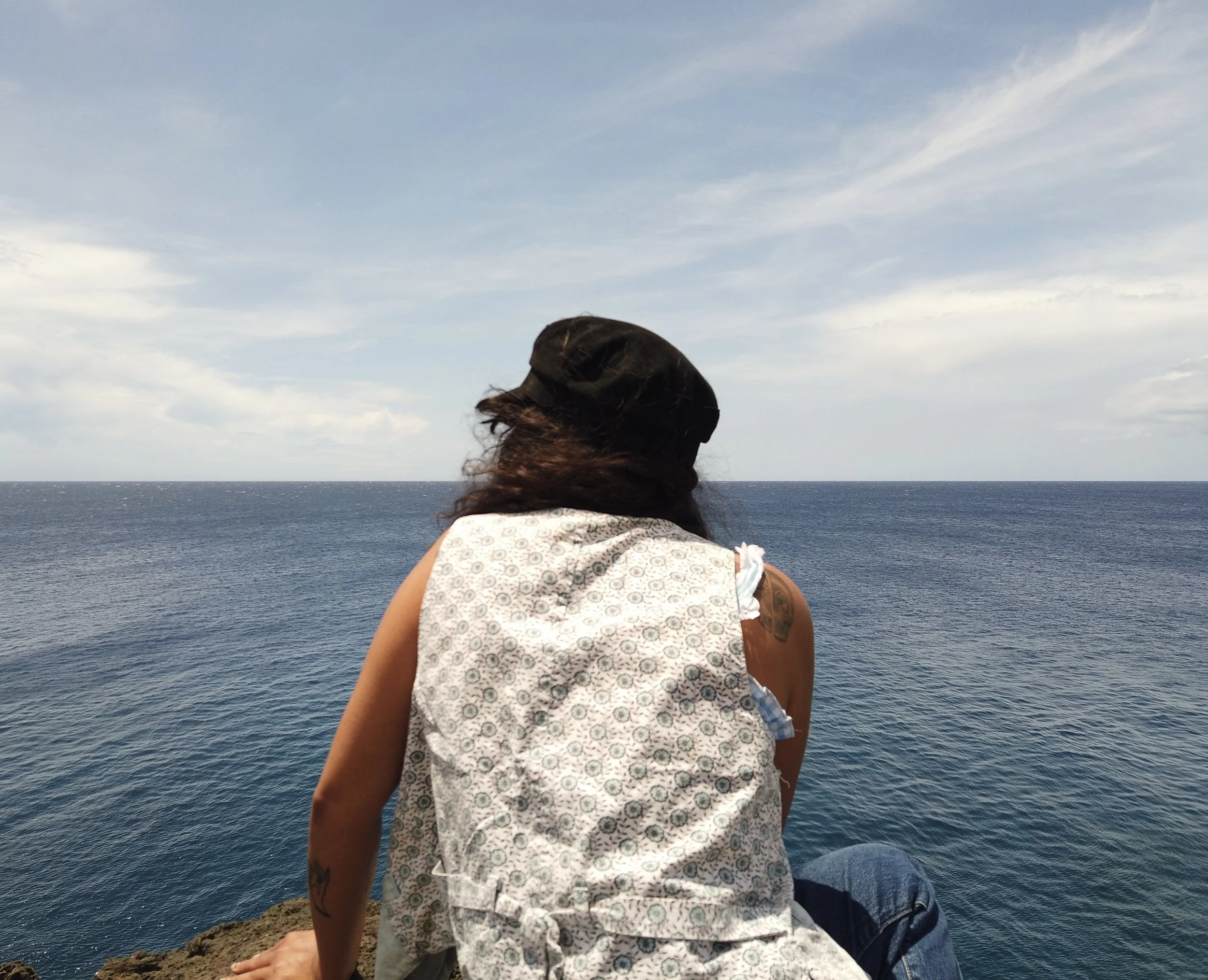
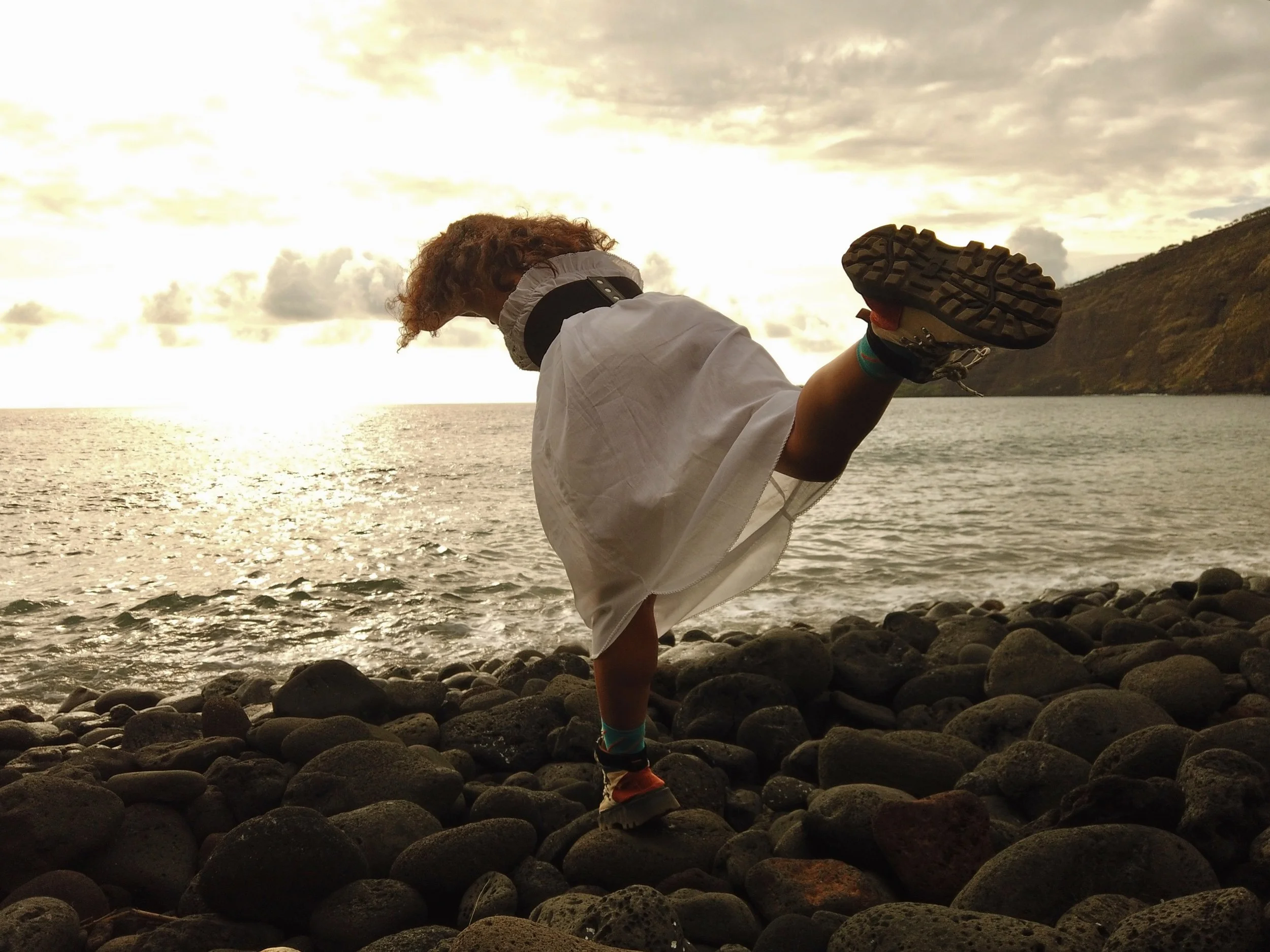
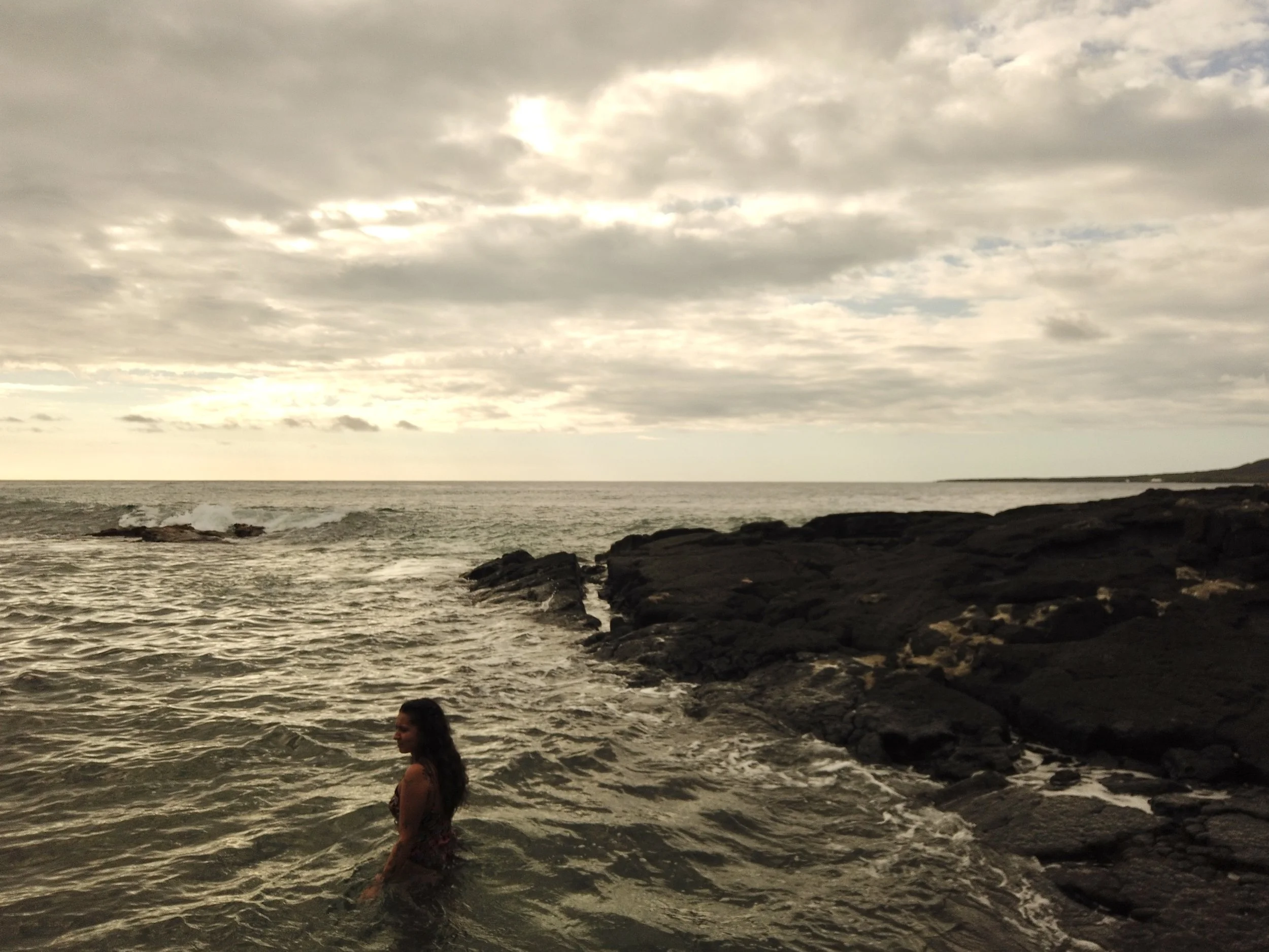
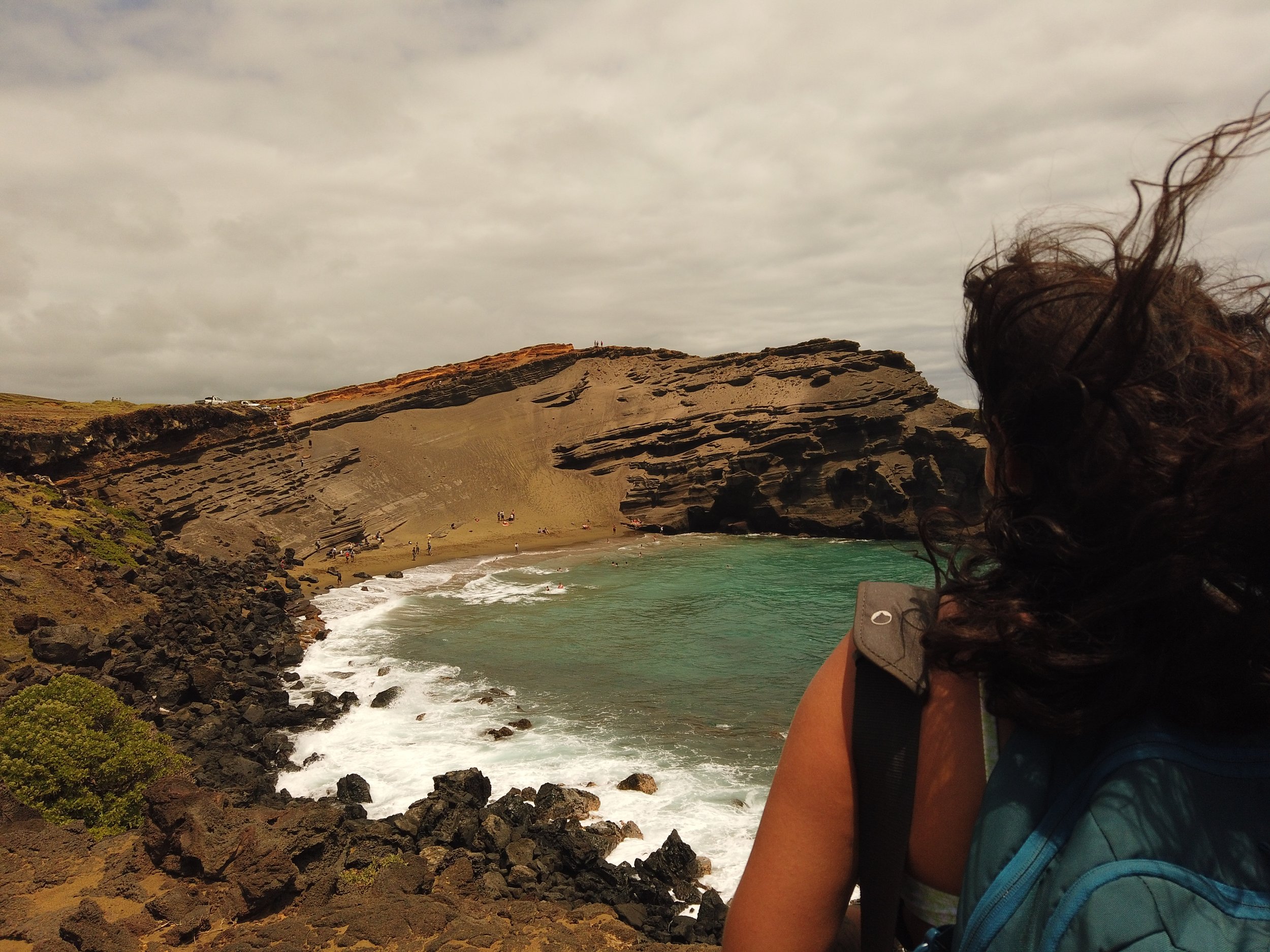
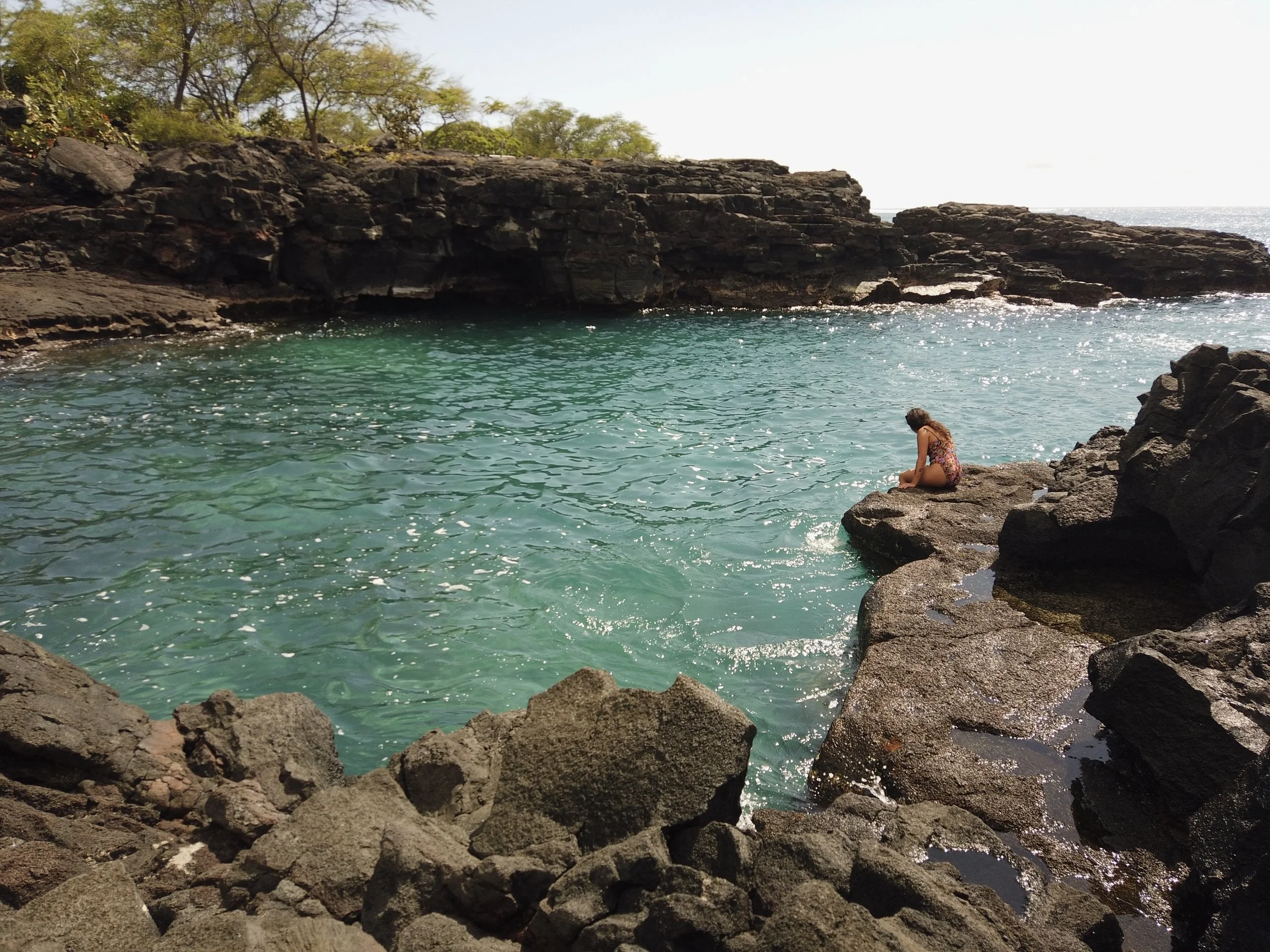
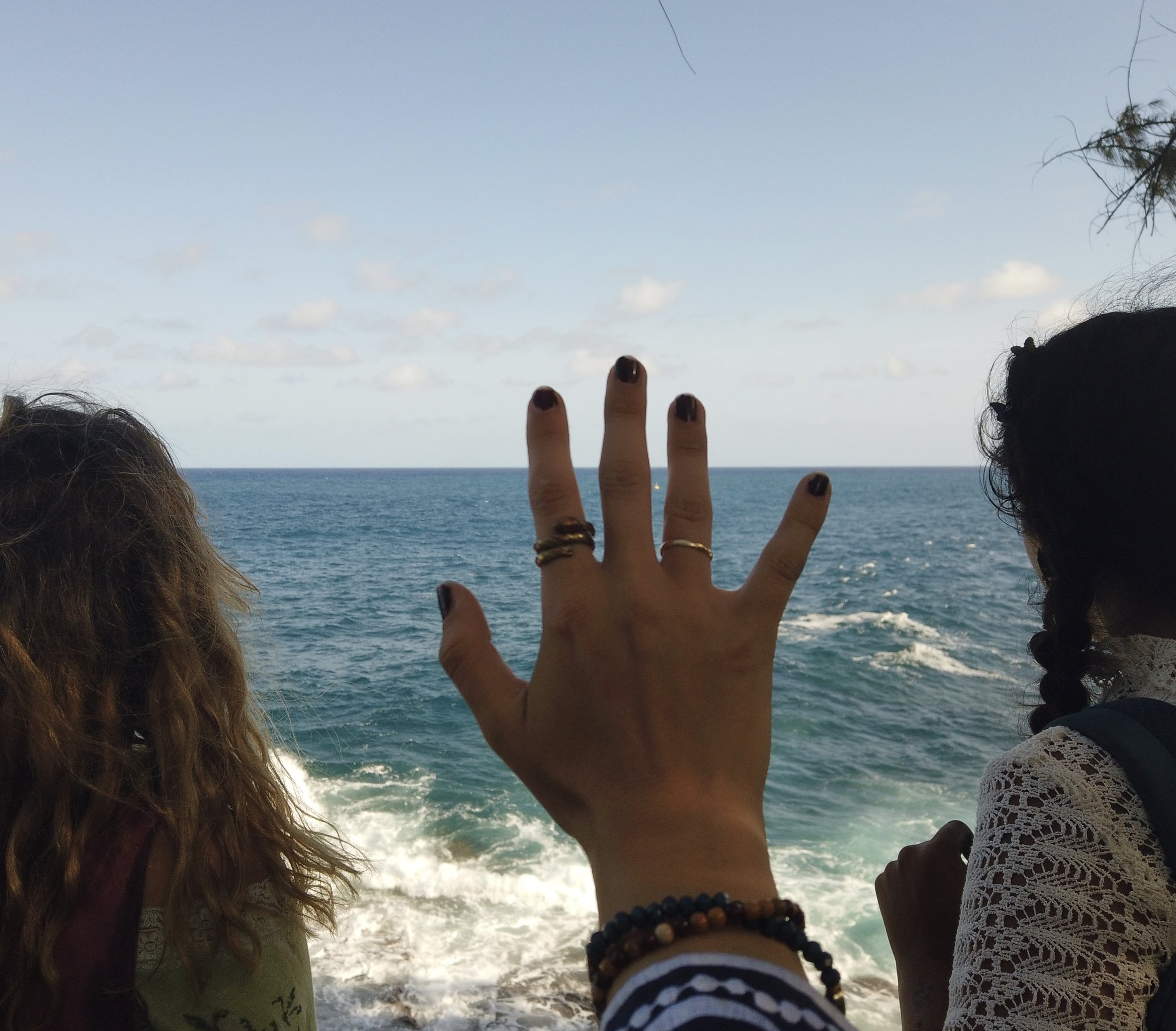
As I was browsing my photography archive, this selkie story began to reveal itself through my own personal narrative. This project established its grounding five years ago during a trip one of my best friends (who is pictured in many photos) and I took. On this trip we spent our days as close to the Pacific Ocean as possible. At this time in our lives we were in our final year of our undergraduate degrees and feeling as if the world was trying to push us into conformity; yet, our wild souls were still moving our bodies to revolutionary tunes played way too loud as we floated in a rented car down coastal roads and fast lanes. Our naked bodies slinked into the sea after dark, where we became one with the moonlight and the sea lapped water into each crevice of our bodily forms. Though, in darkness, these forms became indistinguishable from the waves, the cliffs, the sand, the palpability of night.
During this trip, she was reading Clarissa Pinkola Estés' book 'Women Who Run with the Wolves: Myths and Stories of the Wild Woman Archetype' and would often read passages aloud to me—this is where inspiration for my project's title came from. The book echoes the sentiment of selkie stories that place women's untamed spiritual sensibilities and wildness in dialogue with societal and psychological pressures. Correspondingly, my project uses selkie legends as psychological roadmaps to visually explore captivity, femininity, freedom, childhood, adulthood, spiritual recovery, personal identity, longing, grief, ancestral veneration, and intuition.
The following is a poem of mine that I wrote thinking of the selkie woman's return to the sea after captivity:
Ocean Oracle
So detached from ocular sight
I could see past the mesopelagic zone
for the first time;
now be careful
of how much space you give,
I’ll take it all without looking back.
Before you know it
the waters have morphed my body;
I emerge sleek, whiskered, flippered,
only accessible over uncharted waters.